


Threatened species and ecosystems
For over 20 years we have been actively involved in recovering endangered birds and ecosystems, working on interconnected, science-based initiatives to protect and strengthen Brazilian biodiversity.
Threatened species and ecosystems

Rehabilitation, recovery, and repopulation of fauna and flora

Reintroduction of species into their habitats

Real biosocioeconomic impact
Recover
Regenerate
Renaturalize
We turn science into action by protecting and reintroducing native birds that are vital to ecological balance, while restoring ecosystems and linking companies, communities, and regions around a common goal: to renaturalize the planet.
This is the core of the regenerative economy: enhancing life cycles, restoring everything that supports all species, and expanding benefits for every form of life.



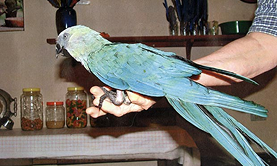
Presley, the hyacinth macaw that inspired the movie “Rio” / Photo: Lymington Foundation
History
Today, Presley is one of only 73 Spix’s macaws that exist in the world.
Threatened by trafficking, the species was considered extinct in the wild in 2000.
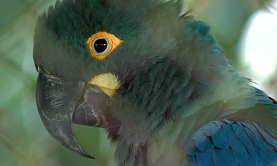
@G1 / Photo: Pedro Santana/TG
History
An American couple created an institution that for almost two decades has been breeding psittacine species to reintroduce them into the wild.
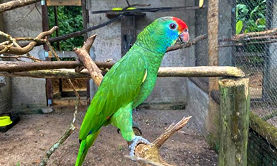
@ ALNB / Photo: Ascom Ima
News
The reintroduction effort is part of the State Action Plan for the conservation of the species in Alagoas.
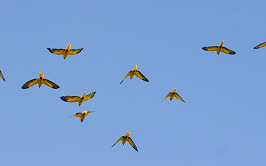
@ Terra / Photo: Marcelo Vilarta
History
It is estimated that at least 50 golden conures have already been reintroduced into the Utinga Camilo Vianna State Park in the capital of Pará.
Nature supports approximately $44 trillion of global GDP, and every dollar invested in restoration can produce 7 to 30 times more in benefits. Nature-based solutions could account for up to one-third of the climate mitigation needed by 2030.
Global goals for 2030 are clear:
conserving and restoring nature at a large scale is essential.
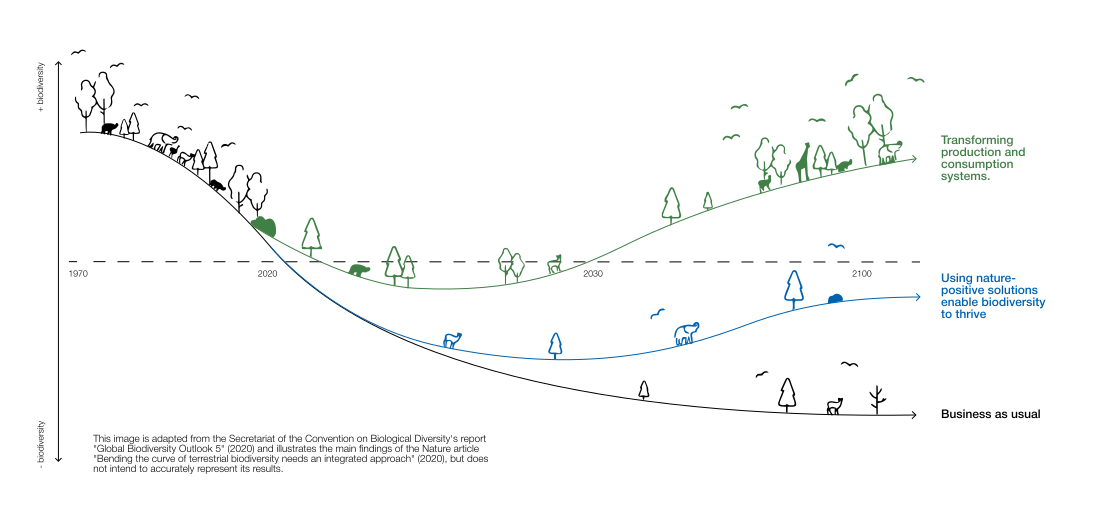
In Brazil, home to 20% of the world's biodiversity, the Lymington Foundation turns resources into effectively managed and transparently monitored projects, designed for those seeking real impact and proven results.

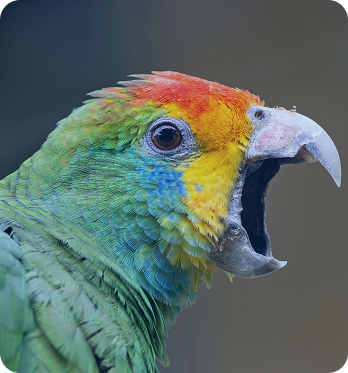
We are involved in all stages of the endangered species conservation cycle — from reproduction and rehabilitation to monitored release and habitat regeneration. Through our own protocols and specialized team, we ensure safe and effective reintroductions, with continuous monitoring to assess the success of species in their ecosystems.
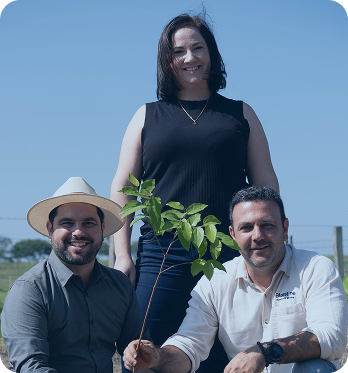
We create environmental conditions suitable for biodiversity, protecting areas of high ecological importance and revitalizing native soil, water, and vegetation. Our work also has a positive impact on local communities, with sustainable income alternatives, training, and environmental education.
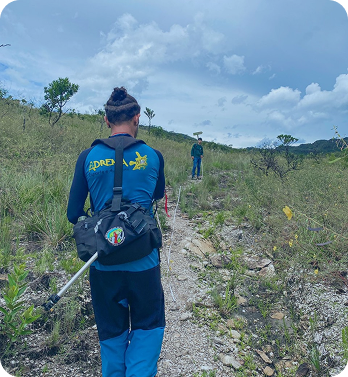
We invest in research and monitoring to better understand the needs of species and measure the impacts of our actions. We share data and results to engage society, institutions, and decision-makers, making conservation a collective responsibility.
We operate in all stages of the socio-environmental regeneration cycle, combining scientific accuracy and technological innovation so that species and ecosystems have the chance to recover and thrive.
For over two decades, we have developed and refined protocols for the reproduction, management, and reintroduction of endangered birds —the result of Linda Wittkoff’s pioneering research and the ongoing expertise of our technical team. These methods are a benchmark for conservation institutions in Brazil and abroad.
Our team brings together biologists, veterinarians, and researchers under the scientific leadership of Professor PhD Dr. Luís Fábio Silveira, curator of the Museum of Zoology at USP — professionals who combine technical rigor, a passion for nature, and a commitment to lasting results.
We work alongside universities, environmental agencies, and research centers, including IBAMA, ICMBio, USP, and IDEFLOR-Bio, strengthening scientific and technical cooperation for conservation.
Our projects generate measurable impact by combining the recovery of species and ecosystems with the strengthening of local communities. Actions include species reintroduction (soft release), nest management, quarantine and health, telemetry and banding, as well as community nurseries, scholarships and local hiring, environmental education, and agreements with rural landowners.
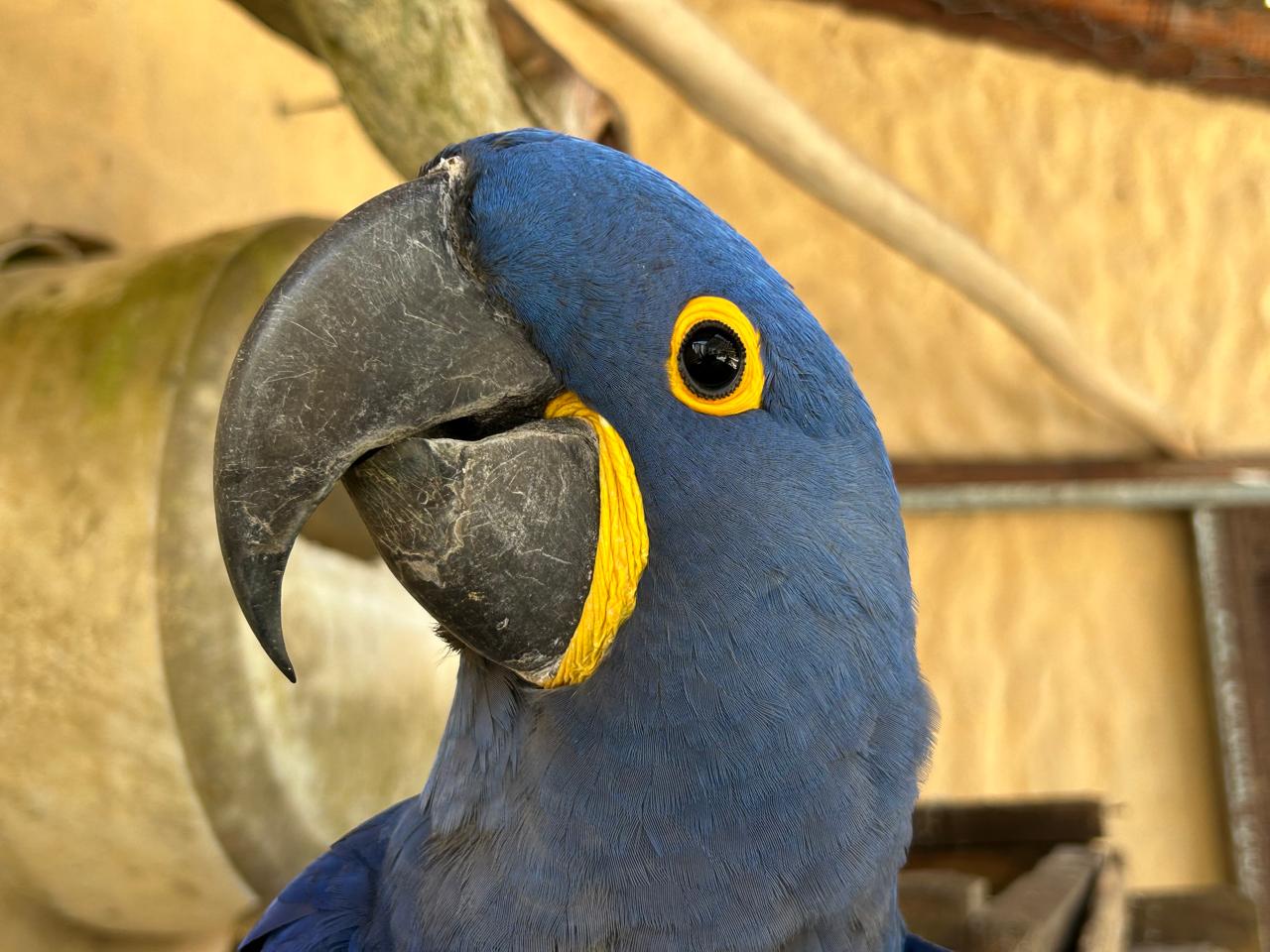
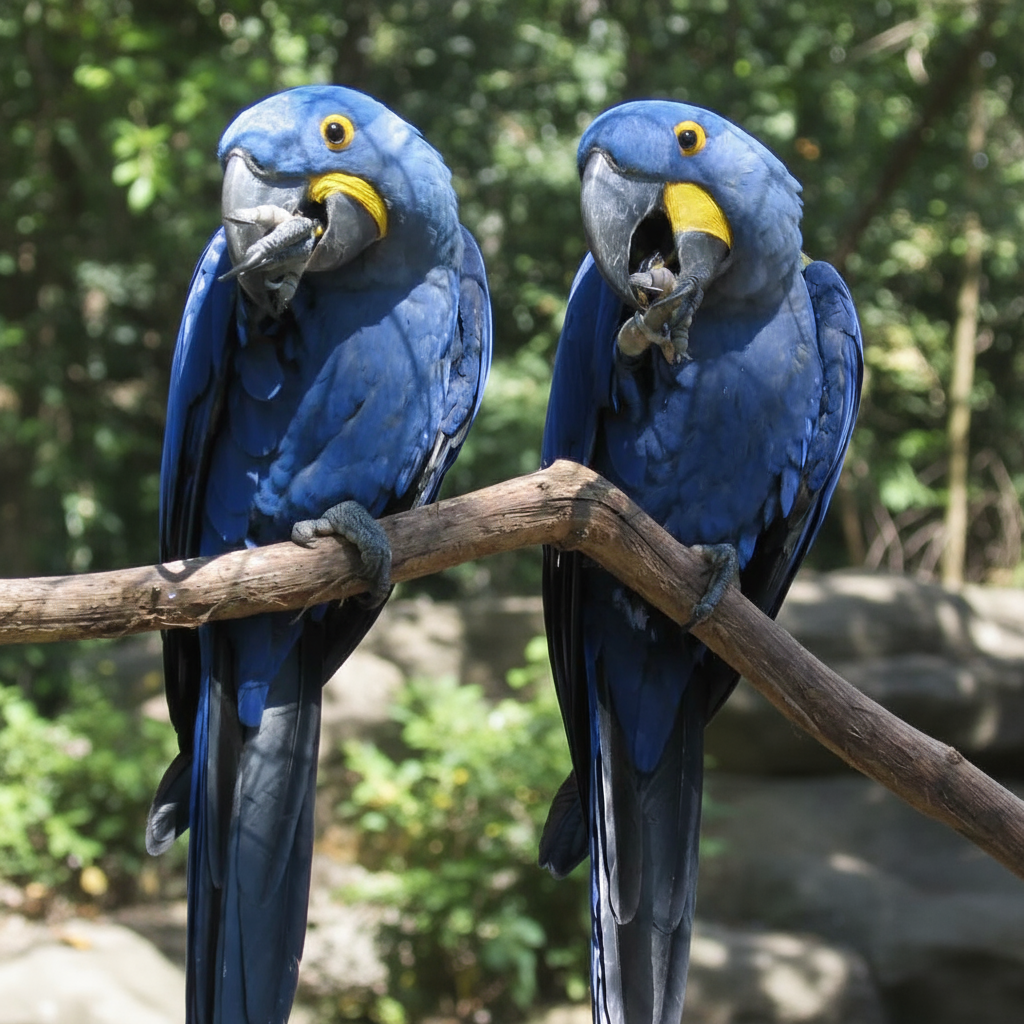
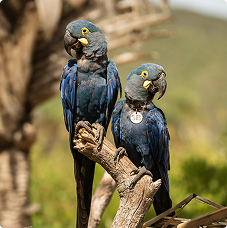
Hyacinth Macaw (Anodorhynchus hyacinthinus)
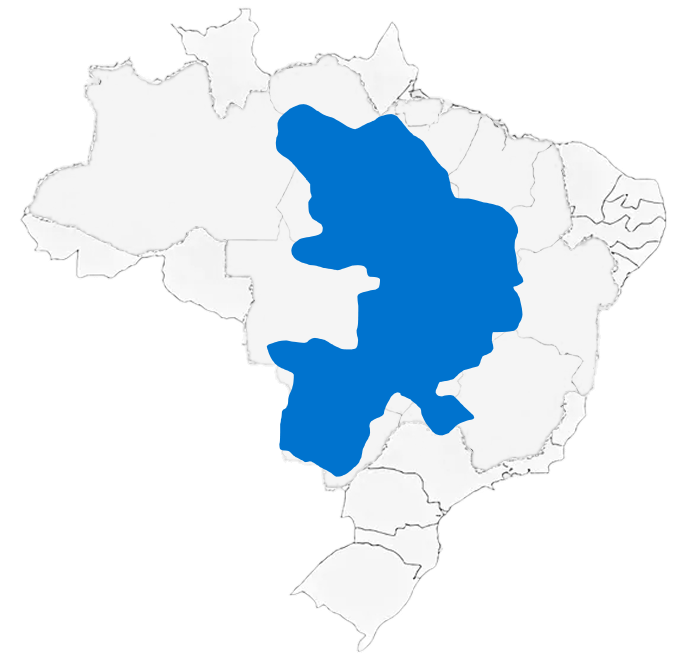
Biomes present:
Cerrado, Amazon and Pantanal
This project aims to study the hyacinth macaw and eventually reintroduce the species into preserved areas in Goiás and Tocantins, combining reproductive management, assisted release, and field monitoring.
I want to support it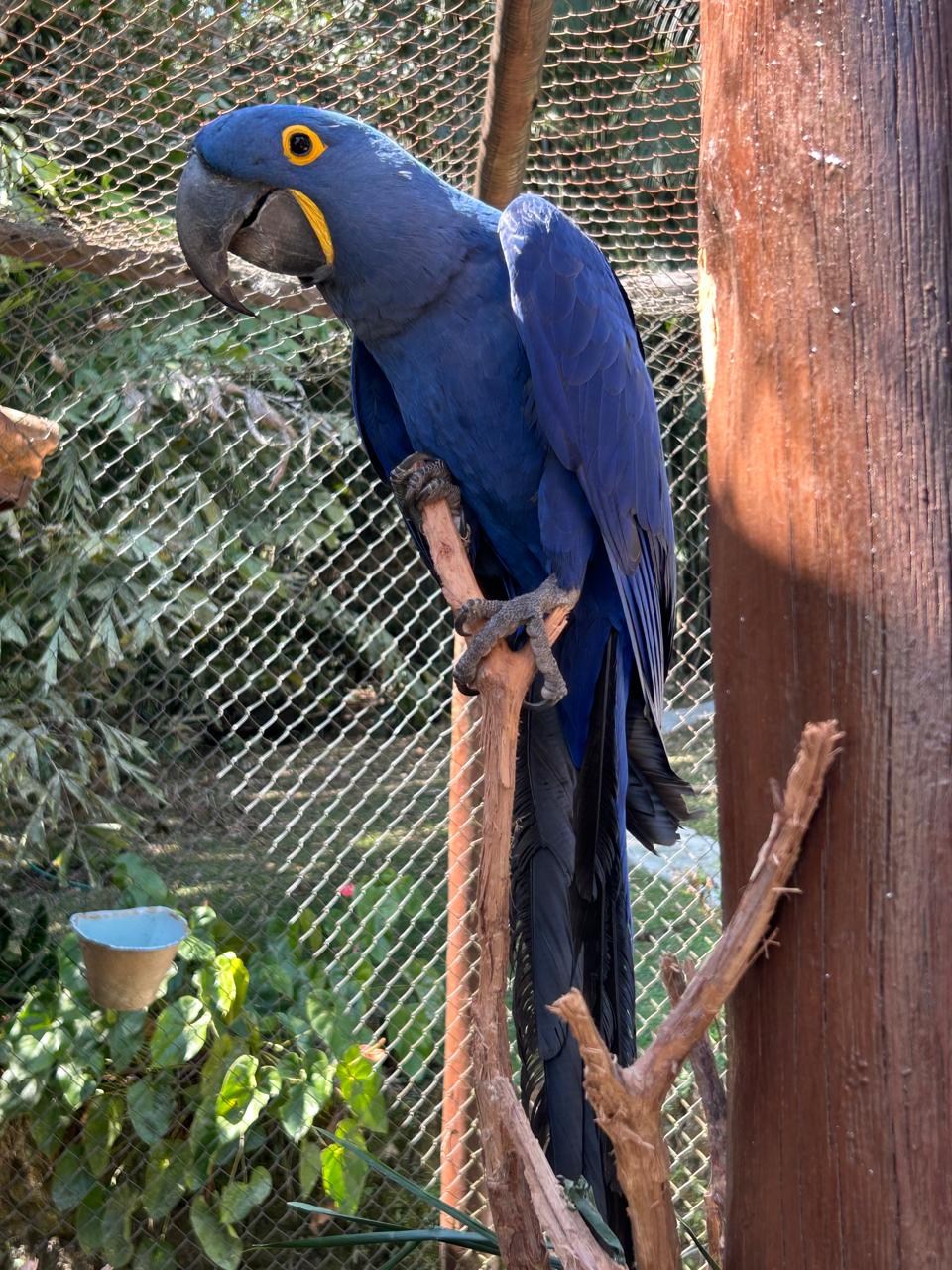
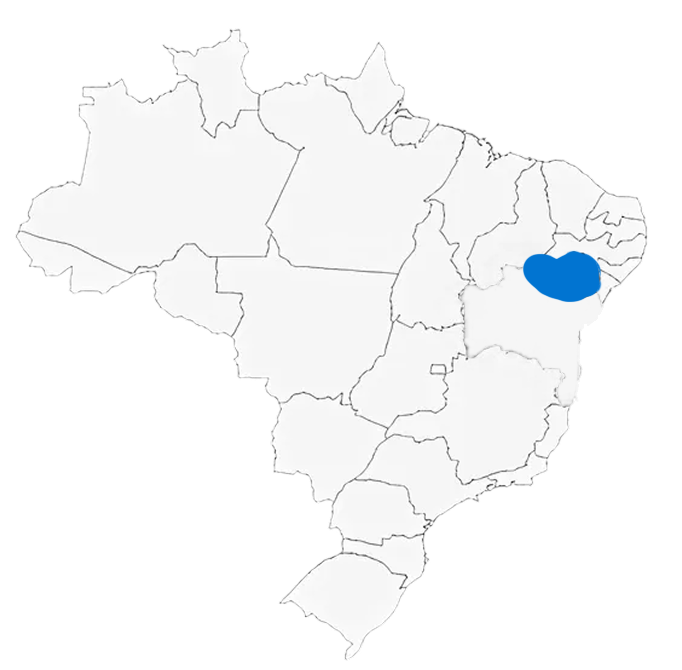
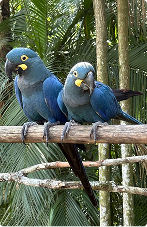
Indigo Macaw (Anodorhynchus leari)
Biomes present:
Caatinga
Strengthening the species in the semi-arid region of Bahia through bird rehabilitation and captive breeding to provide birds for reintroduction.
I want to support it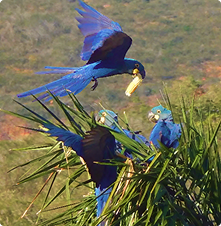
Red-browed Parrot (Amazona rhodocorytha)
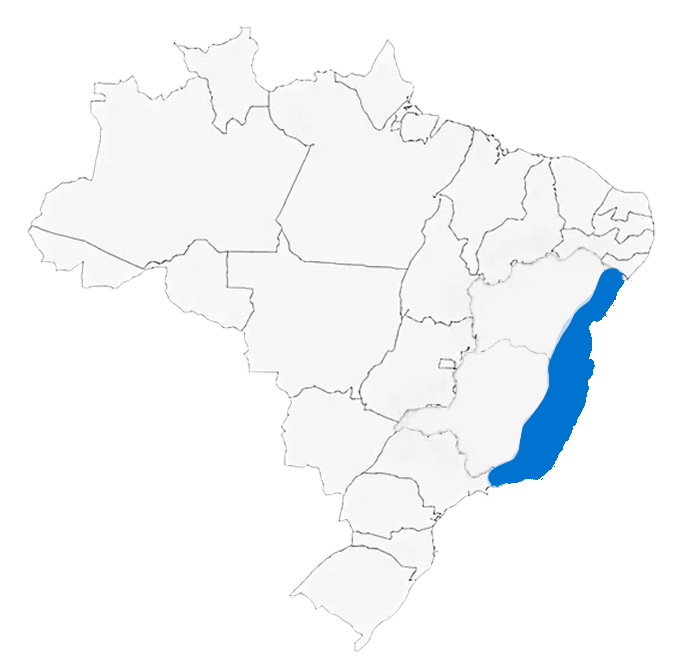
Biomes present:
Atlantic Forest
Habitat restoration and reintroduction in remnants of the Atlantic Forest, coordinating conservation with the involvement of landowners and local schools.
I want to support it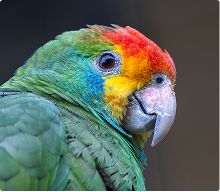
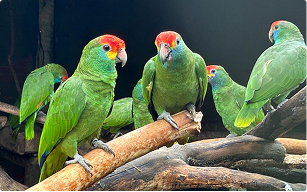
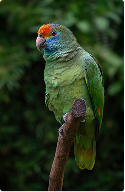
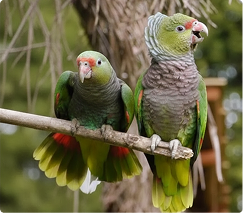
Vinaceous-breasted Parrot (Amazona vinacea)
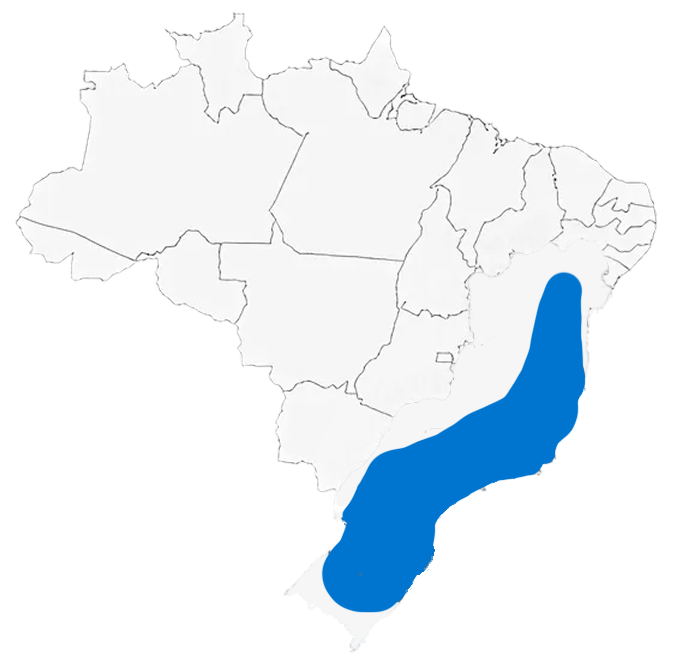
Biomes present:
Atlantic Forest, Pampas and Cerrado
Reintroduction and creation of flocks in fragments of Atlantic Forest in São Paulo, with continuous monitoring and provision of conditions for reproduction in the wild.
I want to support it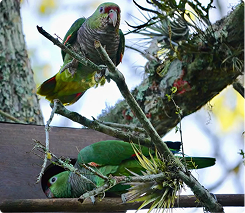
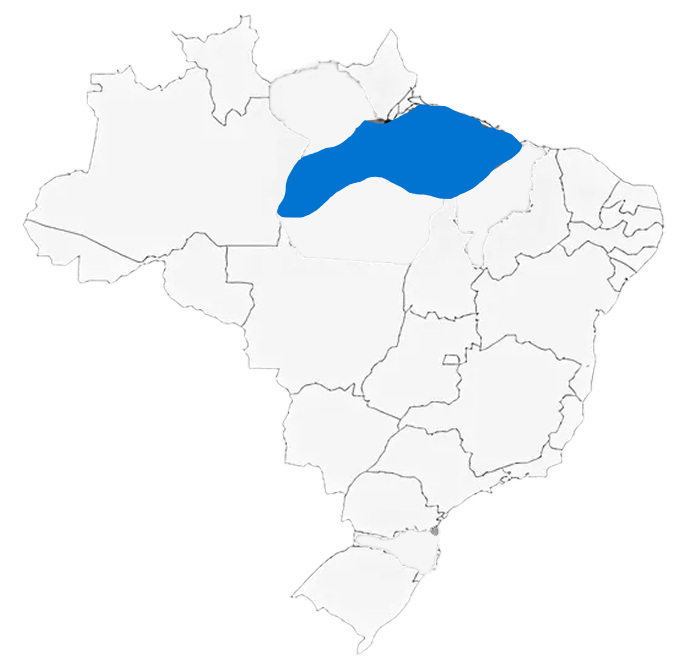
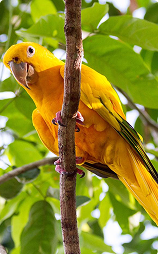
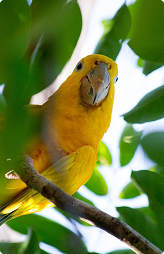
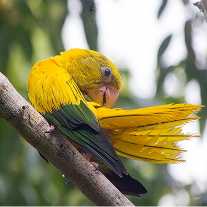
Golden Parakeet (Guaruba guarouba)
Biomes present:
Amazon
Reintroduction into a preserved area, with control of the entire reproductive process in captivity, acclimatization, release, and technical monitoring to consolidate a viable population.
I want to support it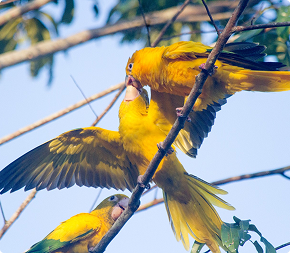
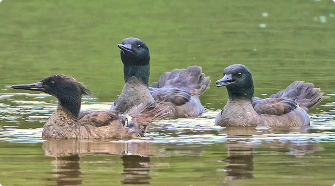
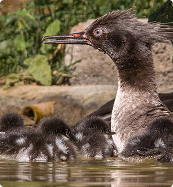
Brazilian Merganser (Mergus octosetaceus)
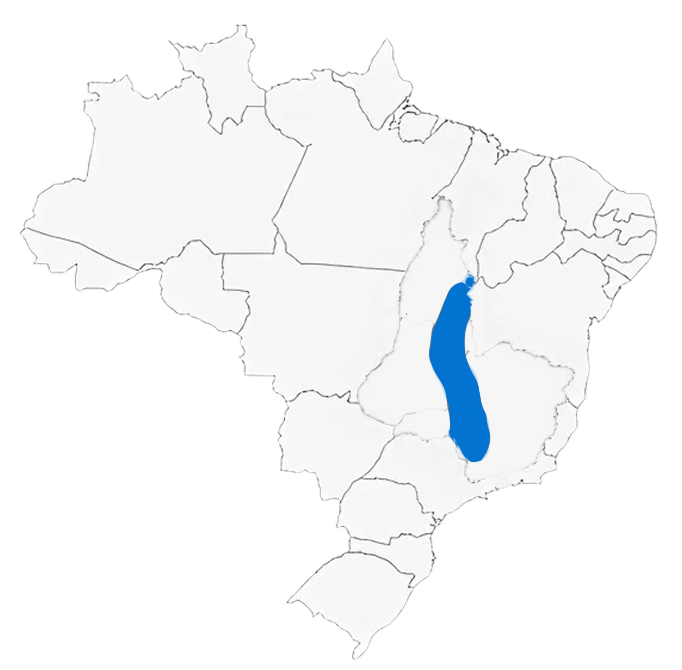
Biomes present:
Atlantic Forest and Cerrado
Protection of aquatic environments in the Cerrado region of Minas Gerais that are critical for the species, with a focus on habitat quality, anthropic pressure, and reproduction.
I want to support it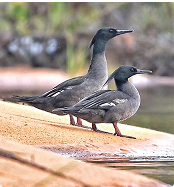
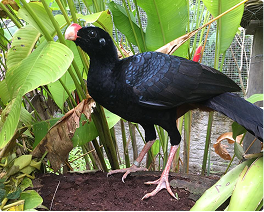
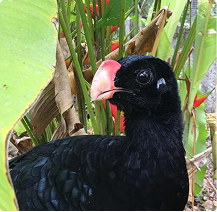
Alagoas Curassow (Pauxi mitu)
Biomes present:
Atlantic Forest
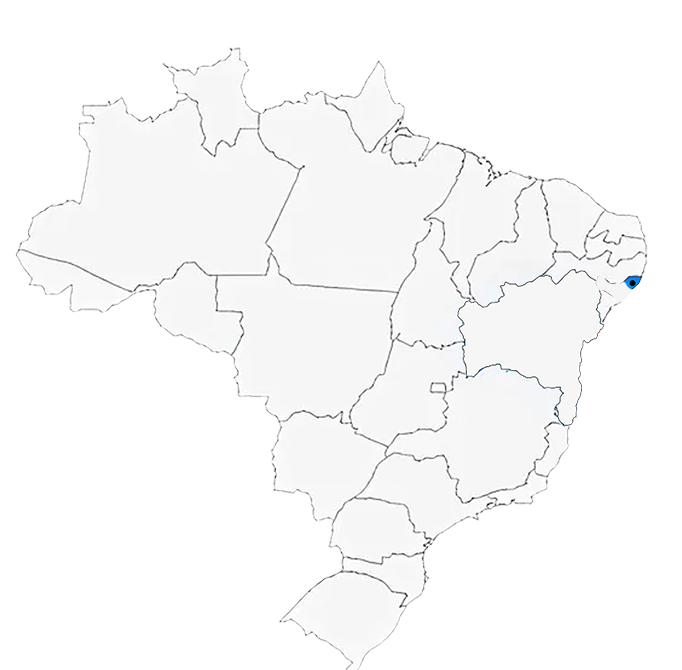
Among the world's most endangered birds, the curassow is gaining new hope through reintroduction efforts in the Atlantic Forest of Alagoas. In partnership with local institutions and Terra da Gente (EPTV/TV Globo), BluestOne supports initiatives that demonstrate how conservation can return endangered species to nature.
I want to support it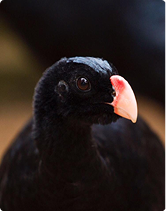
Lymington Foundation was created over 20 years ago with the aim of creating a future in which nature not only endures but thrives, both alongside people and within them.
Its history is intertwined with that of its founders, Bill and Linda Wittkoff, an American couple who are passionate about Brazil and have been fighting for decades to give back to nature what belongs to nature, rebalancing ecosystems and inspiring new generations to take action.
1961
1961
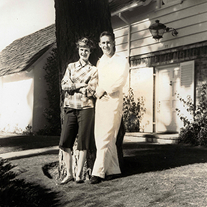
Bill and Linda move to Brazil, where Bill works for 40 years in the automotive industry as an engineer, and the couple breeds horses, dogs, and sheep.
1980
1980
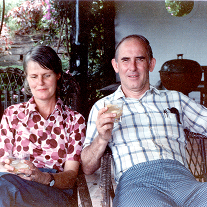
They purchase a property in Juquitiba (SP) with over 36 hectares of preserved Atlantic Forest.
1999
1999
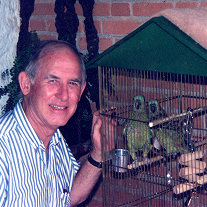
Linda gives Bill two turquoise-fronted amazon parrots (Amazona aestiva) as a Christmas gift, sparking his interest in breeding and caring for psittacines.
2001
2001
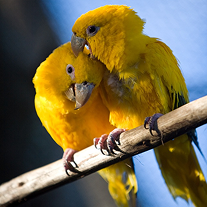
Linda takes in a pair of golden conures (Guaruba guarouba) rescued from illegal trafficking in Bahia.
2002
2002
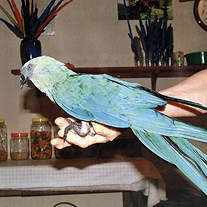
The iconic Presley, a spix's macaw (Cyanopsitta spixii), repatriated from the US, arrives. His story inspired the movie "Rio".
2004
2004
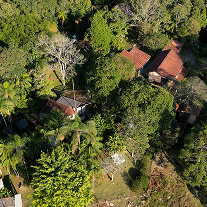
The Lymington Foundation is officially born on November 4th.
2010
2010
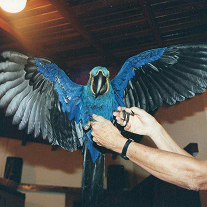
Management of the hyacinth macaw begins with the arrival of Safira (rescued) and Barney (São Paulo Zoo). The first 14 chicks are born at the Foundation.
2013-2025
2013-2025
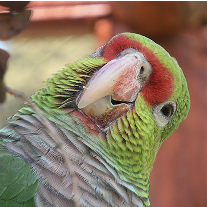
Vinaceous-breasted Parrot (Amazona vinacea) project, in partnership with MZUSP: +45 birds reintroduced into the wild.
2016-2017
2016-2017
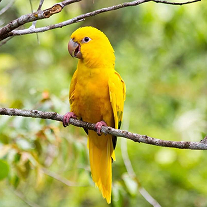
Beginning of the Golden conure Project in Belém (PA), in partnership with IDEFLOR-Bio: from 2017 to date, we have had more than 50 birds reintroduced and reproduction recorded in the wild.
2017
2017
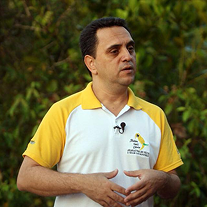
Professor and PhD Luís Fábio takes over as president of the Foundation after Linda's death.
2018
2018
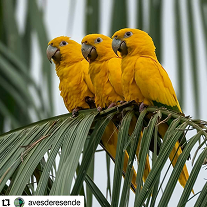
Report confirms the success of the reintroduction of golden conure in Belém, with the beginning of a new population after more than 100 years of local extinction.
2022
2022
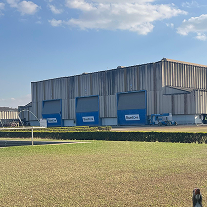
The Foundation begins a partnership with BluestOne, reinforcing environmental education and socio-economic projects and creating audiovisual material to invest in disseminating the importance of conservation activities and the agents involved in this work.
2023-2024
2023-2024
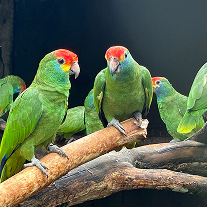
Receipt of birds originating from trafficking for rehabilitation, captive breeding, and reintroduction of the Indigo Macaw, Red-browed Parrot, Golden Parakeet, Vinaceous-breasted Parrot and Hyacinth Macaw species.
2025
2025
Investments in governance and expansion of environmental and reintroduction projects.
Every person and every organization has the power to regenerate the future.
Your support can restore species, rebalance ecosystems, and inspire new ways of coexisting.
If you believe that impact and purpose go hand in hand, now is the time to act.
We have no time to lose.
We will contact you shortly.